


-
 Hundreds of Montanans gathered Saturday in cities across the state to participate in the national “No Kings” rally. Reporters from Montana Public Radio and Yellowstone Public Radio spoke with protestors in several cities.
 -
 A book titled “Outrage: Missing and Murdered Indigenous People in Montana,” received the High Plains International Book Award in the Art and Photography category. The award honors literary works that examine and reflect life in the High Plains Region.
 -
 State lawmakers say the City of Laurel’s decision to block water service to a proposed mental health facility may be violating protections for people with disabilities. Lawmakers may withhold state funding if the city doesn’t reverse course.
 -
 President Donald Trump addressed a full house in Kalispell Wednesday night. He held a rally in support of U.S. House candidate Aaron Flint and U.S. Senate candidate Kurt Alme.
 -
 The race to be Montana’s next U.S. senator is heating up in the final three weeks until election day. Recent polling shows Republican Kurt Alme has a comfortable lead in the four-way race. Meanwhile, independent Seth Bodnar and Democrat Alani Bankhead have hit the campaign trail hard trying to appeal to the same centrist and left-wing voters.
 -
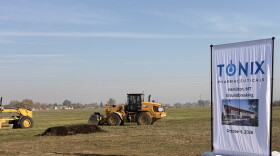 A pharmaceutical company just broke ground on a new facility, adding to a growing biotech industry in the Bitterroot Valley.
 -
 The chair of the Montana Democratic Party has resigned to endorse the independent candidate for U.S. Senate. The chair believes her party’s candidate is not viable.
 -
 Open enrollment for the federal Health Insurance Marketplace starts Nov. 1. People with those plans faced higher premiums this year because of declining financial help from the federal government. Many Montanans chose lower levels of coverage or canceled their plans altogether.
 -
 For the first time this election season, all four of Montana’s U.S. Senate candidates shared a debate stage. The candidates fielded reporters’ questions for a mostly fireworks-free hour-and-a-half at Bozeman’s Field and Stream Lodge.
 -
 It’s fall, which means it’s time to start thinking about getting your flu shot. There are no reported cases in Montana just yet, but the season is starting early in the Northwest.

© 2026 MTPR
Play Live Radio
Next Up:
0:00
0:00
Available On Air Stations


